- Need Help? Request A Callback
- Intake is ongoing. Apply Today!
Workshop Practice
Academic Lead for the course: Prof Simon M. Karume
Build. Deploy. Collaborate. Innovate.
3-Month Industry-Facilitated Project Experience
Digital Skills Academy | Kabarak University
Programme Overview
Workshop Practice is a high-impact, industry-aligned, project-based experience designed to prepare students for real-world technology environments. Over three months, participants work on end-to-end technology projects, guided by academic supervisors and supported by industry professionals.
This programme bridges the gap between academic theory and workplace practice by immersing students in current tools, professional workflows, and real problem contexts across data science, artificial intelligence, software engineering, and cybersecurity domains.
What Makes This Programme Different?
Unlike traditional coursework, Workshop Practice focuses on:
· Real-world problem solving
· Applied technical competence
· Industry mentorship and professional feedback
· Cloud-based development and deployment
· Collaborative innovation environments
· Production-ready project outcomes
Students move from concept to deployment — designing, building, testing, and launching solutions in modern computing environments.
What You Will Gain
Participants will:
· Develop demonstrable, portfolio-ready projects
· Work with current industry technologies
· Gain exposure to professional workflows and standards
· Collaborate in multidisciplinary teams
· Deploy solutions across modern cloud platforms
· Strengthen employability and workplace readiness
This experience is structured to simulate professional practice while maintaining academic quality and supervision.
Industry Tools Used (Illustrative)
Students engage with industry-standard tools and platforms, including but not limited to:
· Google Cloud
· Amazon Web Services
· Microsoft Azure
· Oracle Corporation (Oracle Cloud Infrastructure)
· ISACA frameworks
· EC-Council labs
· Modern AI, data science, software engineering, and cybersecurity tools
Platform selection varies by discipline and project requirements.
Mode of Delivery
· Virtual-first and hybrid participation
· Industry-led technical sessions
· Guided workshops and boot camps
· Collaborative team-based projects
· Continuous supervision and evaluation
The flexible delivery model ensures accessibility while maintaining high standards of engagement and accountability.
Assessment Model
· Continuous practical engagement
· Capstone-style final project
· Demonstration and presentation of deployed solutions
· Consideration of professional feedback
Who Should Participate?
This programme is suitable for students in:
· Data Science & Analytics
· Artificial Intelligence
· Computer Science
· Software Engineering
· Cybersecurity & Digital Forensics
· Information Technology
It is also attractive to industry partners seeking structured collaboration with emerging technology talent.
Why Industry Partners Engage
Workshop Practice provides industry partners with opportunities to:
· Interact with emerging talent
· Contribute to curriculum enhancement
· Share real-world problem statements
· Provide mentorship and technical input
· Strengthen academia–industry collaboration
Enrol in Workshop Practice
Take the next step toward becoming an industry-ready technology professional.
Build. Deploy. Scale. Connect.
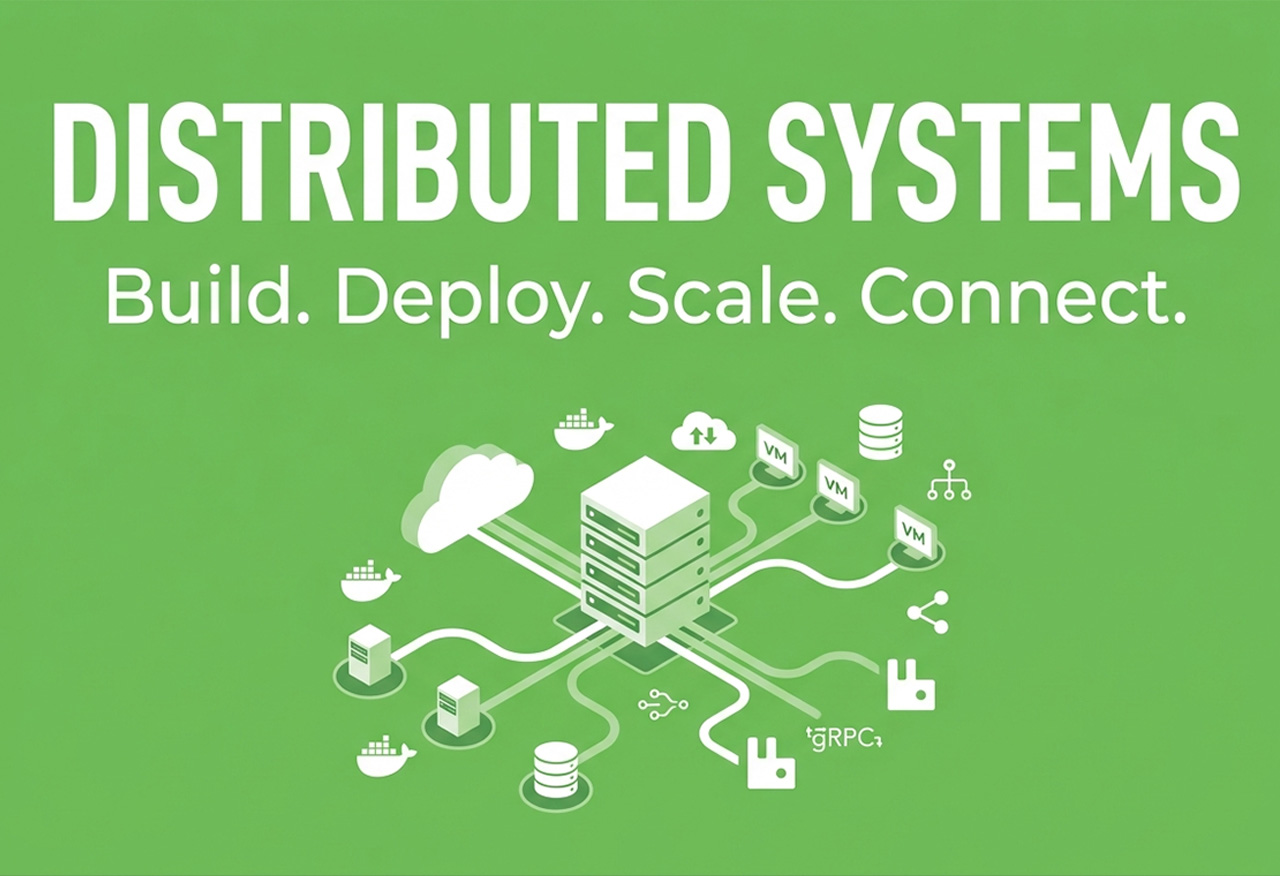
Cloud-Based Distributed Systems Development and Deployment
Digital Skills Academy | Kabarak University
Course instructor: Prof Simon M Karume
Programme Overview
Distributed Systems is a practical, project-based course designed to equip students with the knowledge and hands-on skills required to design, develop, deploy, and manage distributed computing systems in modern cloud environments. The course introduces learners to the principles of distributed computing, cloud-native architectures, distributed storage, and scalable service deployment using industry-standard tools and platforms.
Students progressively build distributed applications using client-server architectures, Python Flask, MySQL, Docker, distributed messaging systems, and cloud deployment technologies. The course combines theoretical foundations with guided practical activities and collaborative cloud-based development workflows.
What You Will Learn
Participants will gain practical experience in:
- Distributed systems architecture
- Client/server computing models
- Distributed file systems (DFS)
- Cloud-native application deployment
- Docker containerization
- Cloud hosting and infrastructure deployment
- Resource virtualization and cloud networking
- Inter-process communication and messaging systems
- Distributed algorithms and coordination techniques
- Scalable cloud storage and deployment workflows
Practical Technologies and Platforms
Students engage with modern development and deployment tools, including:
- Python Flask
- Docker
- MySQL and MongoDB
- RabbitMQ
- gRPC
- GitHub collaborative workflows
- Google Cloud Platform (GCP)
- Cloud-based virtual machines and storage services
The course emphasizes hands-on deployment and management of distributed applications within real cloud environments.
Industry Tools Used (Illustrative)
Students interact with industry-standard technologies and cloud ecosystems, including but not limited to:
- Google Cloud
- Amazon Web Services
- Microsoft Azure
- Oracle Corporation (Oracle Cloud Infrastructure)
- Docker and containerization technologies
- RabbitMQ distributed messaging systems
- gRPC distributed communication frameworks
Cloud Deployment and Distributed Storage
The course provides guided practical experience in:
- Deploying distributed systems on Google Cloud Platform
- Configuring distributed storage using Google Cloud Storage (GCS)
- Managing Docker containers and cloud images
- Using Google Container Registry (GCR)
- Provisioning and managing virtual machines
- Hosting cloud-native distributed applications
Students build and deploy scalable distributed systems within supervised cloud computing environments.
Learning Outcomes
By the end of the programme, students will be able to:
- Design and implement distributed computing solutions
- Develop and deploy cloud-native applications
- Configure distributed storage and file systems
- Apply containerization and virtualization techniques
- Implement distributed communication models
- Utilize cloud platforms for scalable deployment
- Analyse distributed system architectures and resource management approaches
Mode of Delivery
- Guided practical workshops
- Cloud-based deployment labs
- Virtual and hybrid learning sessions
- Collaborative project development
- Instructor-led demonstrations and exercises
The programme follows a project-based approach where students progressively build and deploy distributed systems from development through cloud deployment.
Recommended Participants
This programme is suitable for students and practitioners in:
- Computer Science
- Software Engineering
- Information Technology
- Data Science
- Cloud Computing
- Cybersecurity and Distributed Computing
>> Enrol in Distributed Systems
Gain practical experience in cloud-native distributed computing, deployment, and scalable systems engineering.